
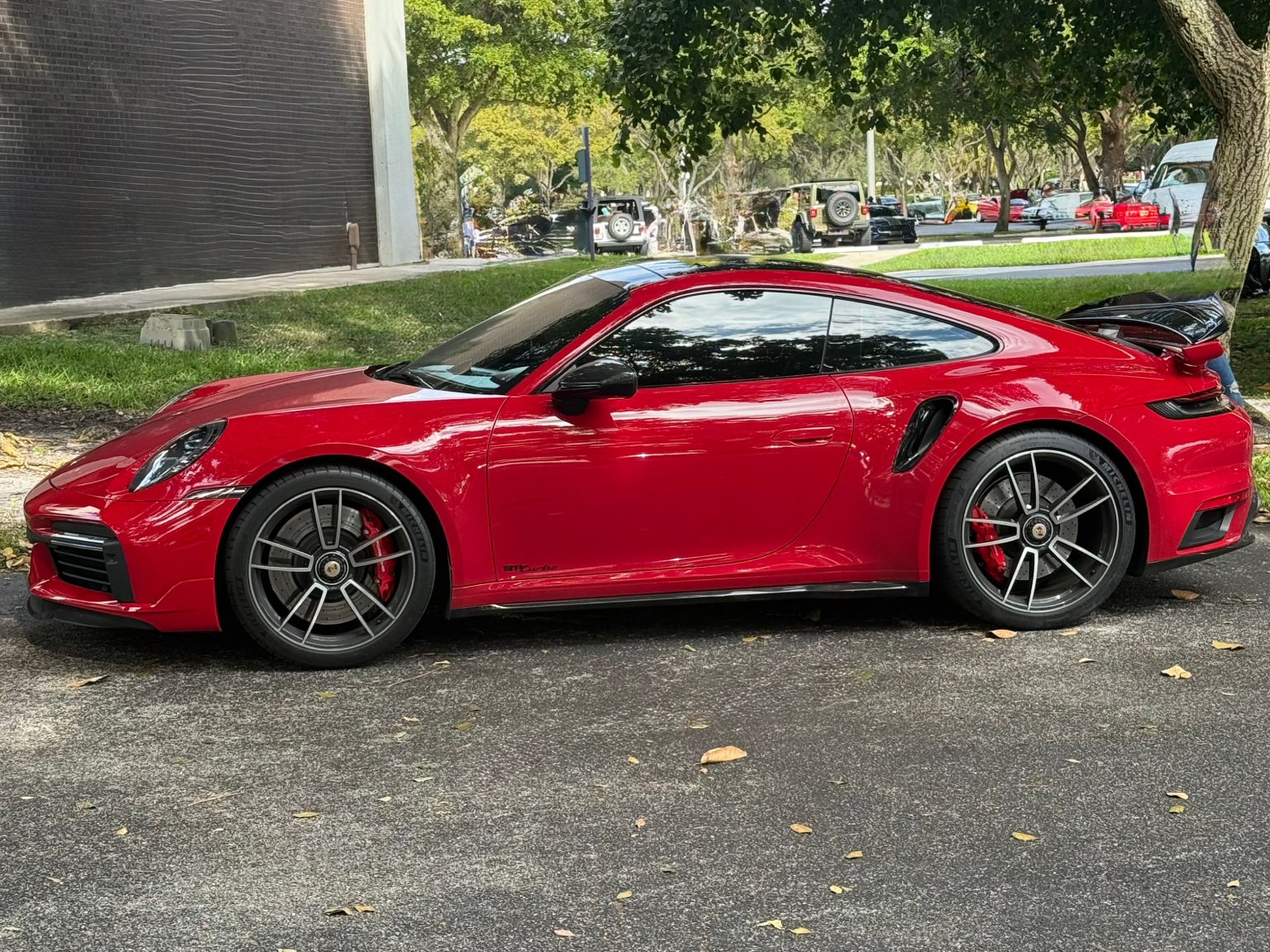
If your vehicle was damaged in an accident, repaired, and returned to you, you may think the claim is over. The repair shop fixed the car. The insurance company paid for the repairs. The vehicle looks fine.
But there may still be another loss: diminished value.
Diminished value is the loss in your vehicle’s market value after an accident. Even when repairs are done correctly, a vehicle with an accident history is usually worth less than a similar vehicle with a clean history. Buyers, dealers, and online valuation tools often treat accident history as a major negative. That loss in value can be real money.
In Florida, diminished value can be part of a property damage claim when another driver caused the accident. Florida courts have recognized diminished value as a possible covered loss in a third-party property damage claim, and that the claimant is responsible for proving the loss.
What Is Diminished Value?
Diminished value is the difference between:
1. What your vehicle was worth before the accident; and
2. What your vehicle is worth after the accident and repairs.
For example, imagine two identical vehicles are for sale. Same year. Same mileage. Same trim. Same condition. One has a clean history. The other was involved in a collision and has a reported accident on Carfax or AutoCheck.
Most buyers will not pay the same amount for both vehicles.
That difference is the heart of a diminished value claim.
Why Repairs Do Not Always Make You Whole
Insurance companies often focus only on repair cost. But fixing the physical damage does not always fix the financial damage.
A repaired vehicle may still have:
- An accident history report
- Structural or frame repair history
- Paintwork or body panel replacement
- Dealer trade-in deductions
- Lower resale value
- Buyer hesitation because of the prior damage
Even if the vehicle drives properly and looks good, the market may still punish it because of the accident history.
Florida property damage law generally recognizes that the measure of property damage can involve repair cost and diminution in fair market value, depending on the facts of the loss.
First-Party vs. Third-Party Diminished Value Claims in Florida
This distinction matters.
A first-party claim is a claim against your own insurance company. For example, if you use your own collision coverage to repair your vehicle, that is generally a first-party claim.
A third-party claim is a claim against the at-fault driver or the at-fault driver’s insurance company.
In Florida, diminished value is generally pursued as a third-party claim against the at-fault party.
In plain English: if someone else caused the accident, you may have a diminished value claim against that person or their insurance company.
What Evidence Helps Prove Diminished Value?
The insurance company will not usually pay diminished value just because you ask for it. You need evidence.
Helpful evidence may include:
- The repair estimate or final repair invoice
- Photos of the vehicle damage
- The police report or crash report
- Vehicle history reports, such as Carfax or AutoCheck
- Market comparisons for similar vehicles with and without accident history
- Dealer trade-in opinions
- Appraisal reports
- Documentation of mileage, options, trim, and pre-loss condition
The stronger the evidence, the stronger the claim.
Common Insurance Company Arguments
Insurance companies often minimize diminished value claims. Some common responses include:
“Your car was repaired properly.”
That may be true, but proper repairs do not erase accident history.
“There is no diminished value.”
The market often disagrees. Dealers and buyers regularly discount vehicles with accident history.
“We used our formula.”
Insurance formulas may not reflect the real-world market. A formula does not necessarily show what your specific vehicle lost in value.
“The damage was only cosmetic.”
Even cosmetic repairs can affect value, especially on newer vehicles, luxury vehicles, performance vehicles, or vehicles with clean prior history.
“You have to prove it.”
That part is true. The claimant generally has the burden to prove the loss, which is why documentation matters.
What Types of Vehicles May Have Strong Diminished Value Claims?
Not every accident creates a strong diminished value claim. The strength of the claim depends on the vehicle and the damage.
Diminished value claims are often stronger when the vehicle is:
- Newer
- Low mileage
- Luxury, exotic, collectible, or performance-oriented
- Previously clean history
- Repaired after moderate or significant damage
- Subject to structural repairs, paintwork, or panel replacement
- Worth significantly less on trade-in because of the accident history
Porsche, BMW, Mercedes, Corvette, Tesla, Ferrari, Lamborghini, Lexus, Range Rover, or other high-value vehicle may lose thousands of dollars after an accident.
How Long Do You Have to Bring a Diminished Value Claim in Florida?
Do not wait.
In Florida, the statute of limitations for accident-related claims is generally two years from the date of the accident.
Because accident-related diminished value claims are fact-specific, it is important to speak with an attorney as soon as possible. Waiting too long can hurt your ability to gather evidence, obtain repair records, preserve photos, and pursue the responsible party.
What Should You Do After an Accident?
If your vehicle was damaged by another driver in Florida, take these steps:
- Save all repair documents.
- Take photos before and after repairs.
- Keep a copy of the crash report.
- Do not assume the insurance company included diminished value.
- Do not rely only on the insurer’s formula.
- Get the vehicle’s loss in value evaluated.
- Speak with a lawyer who handles diminished value claims.
The insurance company may pay for repairs, but that does not mean you were fully compensated.
The Bottom Line
Diminished value is about the money your vehicle lost because it now has an accident history.
If another driver caused the crash, Florida law may allow you to pursue that loss as part of your property damage claim. But you need evidence, documentation, and a clear presentation of the vehicle’s lost market value.
At Lost Value Law, we help vehicle owners pursue diminished value and loss of use claims after an accident. If your car was repaired after a crash and you believe it is now worth less, contact us to discuss whether you may have a claim.
Accident history killing your trade value? Call Lost Value Law — we may be able to help you get paid.
This article is for general informational purposes only and does not create an attorney-client relationship. Every claim depends on the facts of the accident, the vehicle, the repairs, the available insurance coverage, and Florida law.
